Welcome to Hebei Luban Metal Structure Co., LTD.



Transforming Shipping Containers into Stylish Living Spaces: A Comprehensive Guide
Release Time:
Sep 19,2024
Transforming Shipping Containers into Stylish Living Spaces Table of Contents Introduction to Shipping Container Homes Benefits of Using Shipping Containers for Living Spaces Creative Design Ideas for Shipping Container Homes Essential Construction Tips for Container Homes Sustainability in Shipping Container Living Understanding the Costs of Shipping Container Homes N
Transforming Shipping Containers into Stylish Living Spaces
Table of Contents
- Introduction to Shipping Container Homes
- Benefits of Using Shipping Containers for Living Spaces
- Creative Design Ideas for Shipping Container Homes
- Essential Construction Tips for Container Homes
- Sustainability in Shipping Container Living
- Understanding the Costs of Shipping Container Homes
- Navigating Legalities and Zoning Laws
- Frequently Asked Questions
- Conclusion
Introduction to Shipping Container Homes
In recent years, the trend of utilizing shipping containers as living spaces has gained remarkable popularity. These durable, cost-effective structures offer a multitude of possibilities for homeowners and builders alike. Shipping containers, originally designed for transporting goods, can be converted into stunning homes, offices, or even pop-up shops. With proper planning and creativity, these metal boxes can be transformed into stylish living spaces that reflect personal style and functionality.
Benefits of Using Shipping Containers for Living Spaces
When considering alternative housing options, shipping containers provide numerous advantages:
1. Cost-Effectiveness
One of the most significant benefits of shipping container homes is their affordability. Unlike traditional construction methods, using containers can significantly reduce costs related to materials and labor. This makes them an attractive option for budget-conscious individuals.
2. Durability and Strength
Shipping containers are built to withstand harsh conditions at sea, making them robust and durable. Their steel structure provides excellent protection against extreme weather, pests, and decay.
3. Sustainability
Repurposing shipping containers contributes to sustainability efforts by reducing waste. Many containers that are no longer suitable for shipping can be given a new life as homes, minimizing the impact on the environment.
4. Versatility
Shipping containers can be combined and configured in various ways to create unique living spaces. Whether you're looking for a compact tiny home or a spacious multi-container residence, the design possibilities are virtually endless.
5. Quick Construction
Building a home from shipping containers can often be completed in a fraction of the time it takes to construct a traditional house. This is particularly appealing for those eager to move into their new space.
Creative Design Ideas for Shipping Container Homes
Transforming a shipping container into a stylish living space begins with thoughtful design. Here are some creative ideas to inspire your project:
1. Open Concept Living
Utilize the open space within a shipping container to create a modern living area. By removing interior walls, you can achieve a spacious feel, allowing natural light to flow freely. Large windows and sliding glass doors can further enhance this effect.
2. Multi-Container Configurations
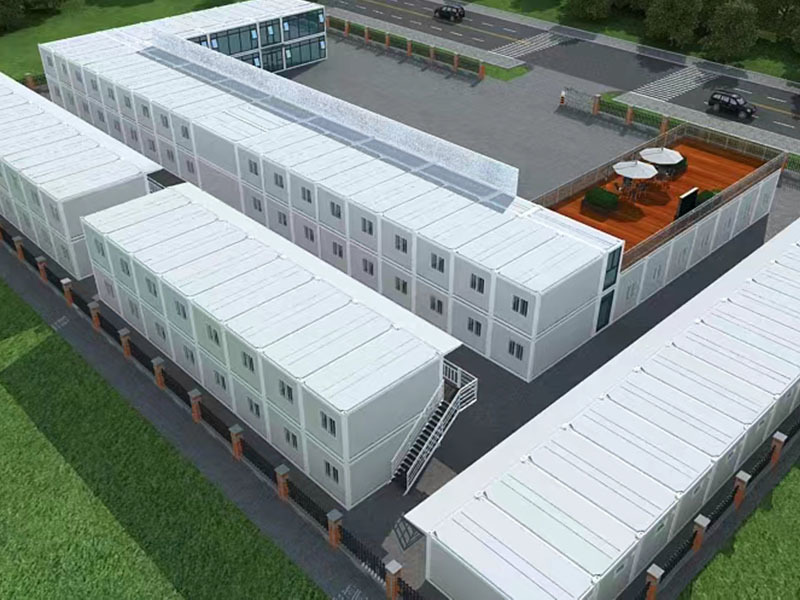
Consider combining multiple shipping containers to create a larger living space. Stacking containers or placing them side by side can result in unique layouts that accommodate different lifestyles or family sizes.
3. Indoor-Outdoor Living
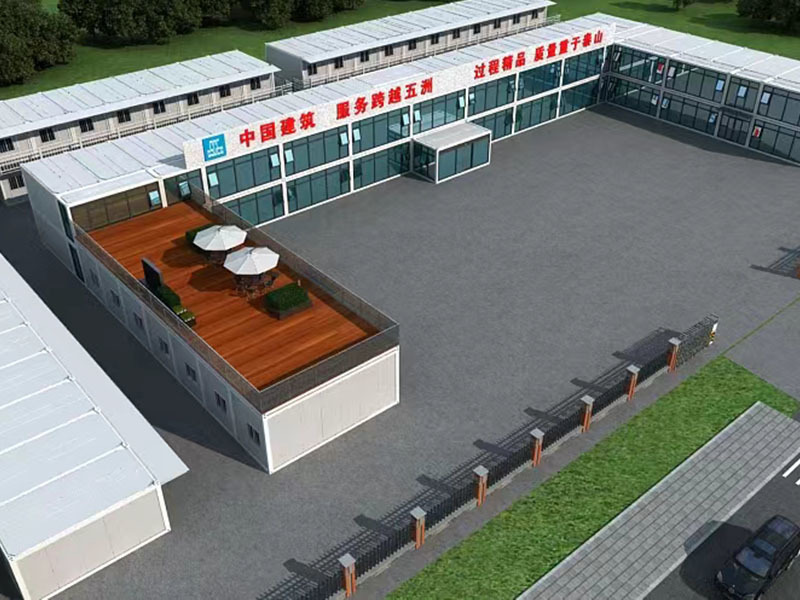
Take advantage of the outdoor space by designing areas that blend seamlessly with nature. Decks, patios, or gardens can extend your living area beyond the container’s walls, providing additional space for relaxation and entertainment.
4. Eco-Friendly Features
Incorporate sustainable elements into your design, such as solar panels, rainwater harvesting systems, or green roofs. These features not only reduce environmental impact but also enhance the overall aesthetic of your container home.
5. Stylish Interiors
Don’t overlook the interior design of your shipping container home. Opt for modern, minimalist furnishings, vibrant colors, and unique decor to create a stylish and inviting atmosphere.
Essential Construction Tips for Container Homes
Building a shipping container home requires careful planning and execution. Here are some crucial tips to guide you through the construction process:
1. Site Selection
Choose a location that complements your vision for a container home. Consider factors like accessibility, proximity to utilities, and local zoning regulations.
2. Foundation Preparation
Even though shipping containers are sturdy, they still require a solid foundation. Options include concrete piers, blocks, or a full concrete slab, depending on your design and budget.
3. Insulation
Proper insulation is vital to ensure your container home remains comfortable year-round. Consider using spray foam, rigid foam boards, or insulated panels to enhance energy efficiency.
4. Ventilation
Incorporate adequate ventilation to prevent condensation and ensure a comfortable living environment. Installing windows, vents, and fans can help maintain airflow throughout the space.
5. Utilities Installation
Plan for the installation of plumbing, electrical systems, and HVAC units before closing up the walls. This proactive approach will save time and reduce complications during the construction process.
Sustainability in Shipping Container Living
Sustainability is at the forefront of modern architectural practices, and shipping container homes lend themselves well to eco-friendly living. Here are some ways to enhance sustainability in your container home:
1. Recycled Materials
Incorporate recycled materials into your design, such as reclaimed wood for flooring and furniture. This not only reduces waste but also adds character to your home.
2. Energy Efficiency
Utilize energy-efficient appliances and lighting solutions to minimize energy consumption. Consider incorporating smart technology to manage energy use effectively.
3. Water Conservation
Implement water-saving fixtures and systems, such as low-flow toilets and showerheads. Collecting rainwater can also provide a sustainable water source for landscaping.
4. Sustainable Landscaping
Design a landscape that requires minimal maintenance and uses native plants. This approach not only conserves water but also promotes local biodiversity.
Understanding the Costs of Shipping Container Homes
While shipping container homes can be more affordable than traditional houses, the costs can vary significantly based on several factors:
1. Container Purchase
The price of a shipping container can range from $1,500 to $5,000, depending on its condition and size. New containers will be more expensive, while used ones may require extensive renovations.
2. Renovation and Design
Renovation costs can add up quickly. Depending on the design complexity, budget anywhere from $10,000 to $50,000 for interior finishes, insulation, and utilities.
3. Labor Costs
If you hire professionals for the construction and design, labor costs will significantly impact your overall budget. Be sure to factor in the expenses associated with skilled labor in your area.
4. Permits and Fees
Don’t forget to account for any zoning permits, inspection fees, and other legal requirements that may be necessary during the building process.
Navigating Legalities and Zoning Laws
Before embarking on your shipping container home project, it is crucial to understand the legal and zoning requirements in your area. Shipping container homes may face unique regulations depending on local laws.
1. Zoning Regulations
Check with local zoning boards to determine if shipping container homes are permitted in your desired location. Some areas may have restrictions on the type of residence allowed.
2. Building Codes
Ensure that your container home adheres to local building codes, which may vary widely. Compliance with regulations will prevent complications during construction.
3. Permitting Process
Prepare for the permitting process by gathering necessary documentation, including site plans and structural designs. Engaging with a knowledgeable architect or builder can streamline this process.
Frequently Asked Questions
1. Can I finance a shipping container home?
Yes, many lenders offer financing options for alternative housing, including shipping container homes. Be prepared to provide detailed plans and budgets to secure funding.
2. How long does it take to build a shipping container home?
The timeline for construction varies based on design complexity and contractor availability. On average, it can take anywhere from a few months to over a year.
3. Are shipping container homes safe during storms?
Shipping containers are designed to withstand harsh conditions, including storms. However, ensure proper anchoring and foundation preparation for added safety.
4. What insulation is best for shipping container homes?
Spray foam insulation is often recommended for shipping container homes due to its efficiency and ability to fill gaps. Rigid foam boards can also be effective.
5. Can I move my shipping container home in the future?
Yes, shipping container homes can be relocated, but it requires careful planning and execution to ensure structural integrity during the move.
Conclusion
Transforming shipping containers into stylish living spaces presents an exciting opportunity for innovative and sustainable housing solutions. By understanding the benefits, design possibilities, and construction tips associated with container homes, you can successfully create a unique living environment that meets your needs. Embrace the versatility of shipping containers as you embark on your journey to create a beautiful and functional space that reflects your personal style and commitment to sustainability.
Key words:
What Else Might You Learn?




Can't find the service you're looking for? Contact us!
To inquire about our products, please leave your email to us and we will contact you within 24 hours.
Add
Wen 'an County, Langfang City, Hebei Province, China