Welcome to Hebei Luban Metal Structure Co., LTD.



Exploring the Innovative World of Container Houses: A Sustainable Housing Solution
Release Time:
Sep 24,2024
Container houses have emerged as a fascinating trend in the realm of architecture and building materials, providing innovative solutions for sustainable housing. These structures, constructed from repurposed shipping containers, are not only eco-friendly but also offer a versatile option for various applications, from residential homes to commercial spaces. One of the most significant advantages o
One of the most significant advantages of container houses is their sustainability. By utilizing used shipping containers, builders are reducing waste and promoting recycling within the construction industry. This practice aligns with global efforts to minimize environmental impact while addressing the increasing demand for affordable housing solutions. Container houses can significantly lower the carbon footprint associated with traditional construction methods, making them an attractive option for environmentally conscious investors and homeowners.
In addition to their ecological benefits, container houses are known for their durability and strength. Shipping containers are designed to withstand harsh weather conditions and heavy loads, making them sturdy structures for various environments. When properly insulated and modified, these houses can offer a comfortable living space that is resilient against natural elements.
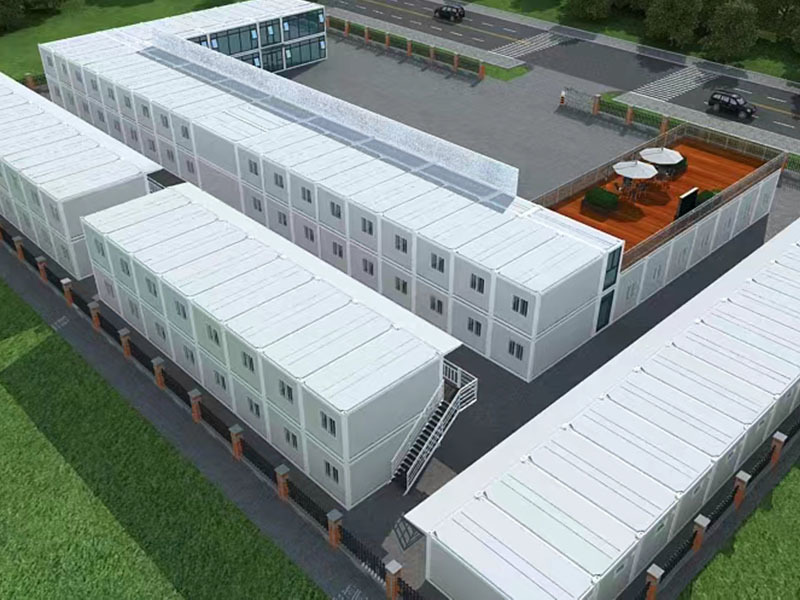
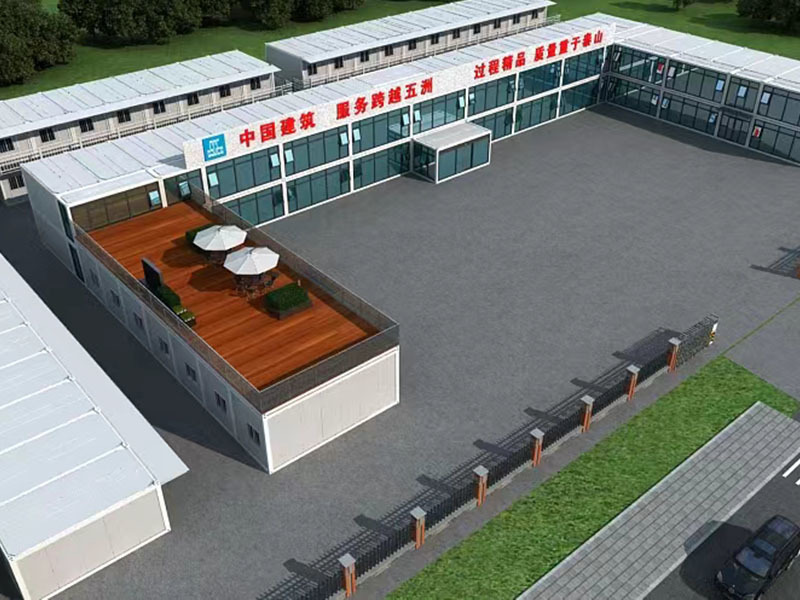
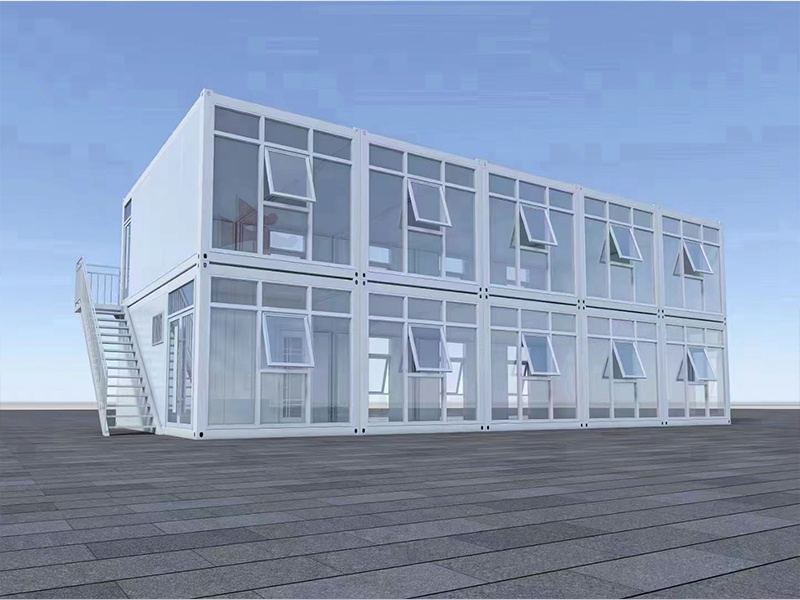
Versatility is another key feature of container houses. Their modular nature allows for a wide range of design possibilities, enabling architects and builders to create unique living spaces tailored to individual needs. Container homes can be stacked, arranged, or combined to form larger structures, making them suitable for everything from single-family homes to multi-unit complexes. This flexibility has made them increasingly popular in urban settings, where space is often at a premium.
The interior of a container house can be customized to suit the owner’s preferences, ranging from minimalist designs to luxurious finishes. With proper planning and execution, these homes can feature modern amenities and efficient layouts, ensuring a comfortable living experience. Furthermore, container houses can be equipped with sustainable energy solutions, such as solar panels and rainwater harvesting systems, further enhancing their eco-friendly profile.
In conclusion, container houses represent a significant advancement in the field of construction and architecture. Their combination of sustainability, durability, and design versatility makes them an attractive option for professionals in the building materials industry. As the world continues to evolve, embracing innovative solutions like container homes can contribute to more sustainable living practices and address the pressing need for affordable housing. By exploring the potential of container houses, industry professionals can play a pivotal role in shaping the future of construction.
Key words:
What Else Might You Learn?



Can't find the service you're looking for? Contact us!
To inquire about our products, please leave your email to us and we will contact you within 24 hours.
Add
Wen 'an County, Langfang City, Hebei Province, China