Welcome to Hebei Luban Metal Structure Co., LTD.



Exploring the World of Container Homes: A Sustainable Housing Solution
Release Time:
Nov 01,2024
As urbanization continues to surge and housing prices escalate, many individuals and families are seeking alternative living solutions. One exciting option that has emerged in recent years is the use of container homes. These structures, built from repurposed shipping containers, offer a range of advantages that appeal to eco-conscious homeowners and builders alike. One of the most significant ben
One of the most significant benefits of container homes is their sustainability. By recycling old shipping containers, we can reduce waste and minimize the need for new building materials. This practice not only decreases the carbon footprint associated with traditional construction but also promotes the use of readily available resources. In a world increasingly focused on reducing environmental impact, container homes represent an effective solution for sustainable living.
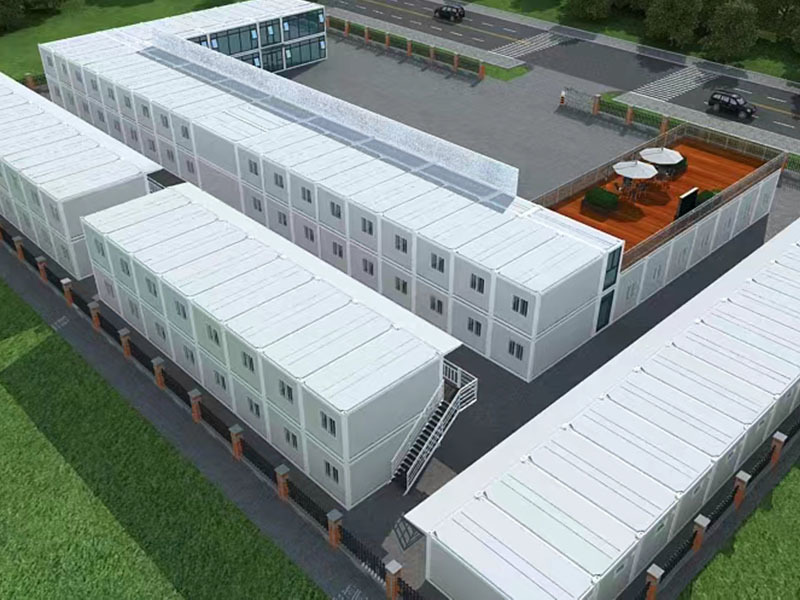
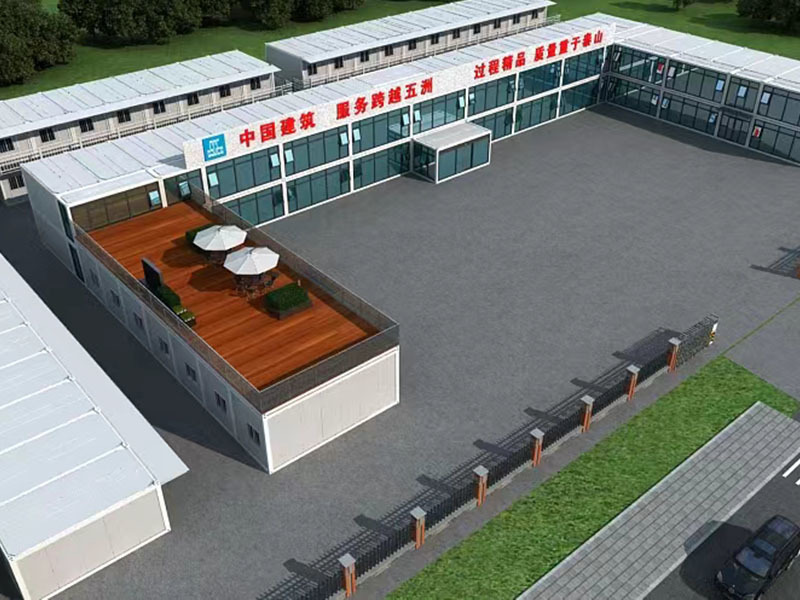
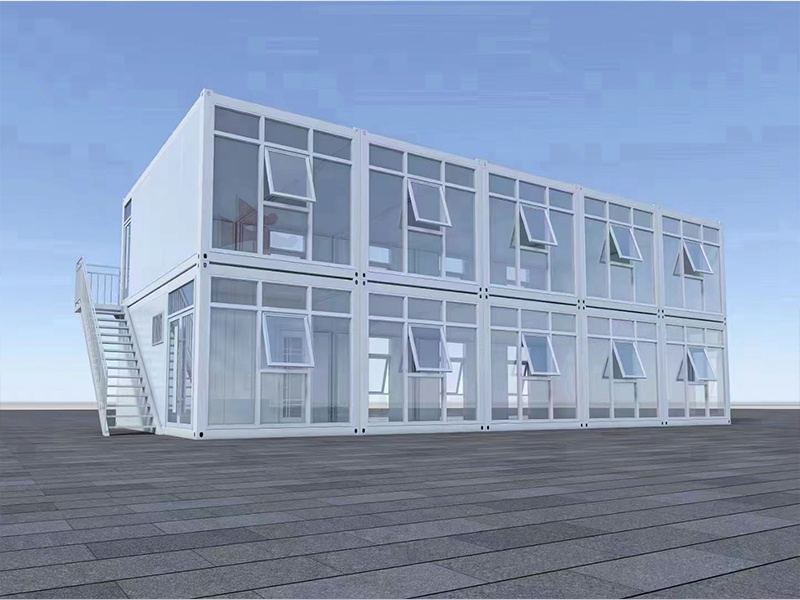
Moreover, container homes are known for their versatility. They can be modified and customized to suit various needs and preferences. From single-container units to elaborate multi-container designs, the possibilities are virtually limitless. Architects and designers are experimenting with layouts, incorporating large windows, open spaces, and green roofs to create spaces that are both functional and aesthetically pleasing. This adaptability makes container homes suitable for various settings, whether in urban environments, rural landscapes, or even remote locations.
Another appealing aspect of container homes is their cost-effectiveness. Although initial costs can vary based on location and customization, container homes generally offer a more affordable alternative to conventional housing. The speed of construction is another factor worth considering; container homes can be assembled much quicker than traditional homes, allowing for faster occupancy and reduced labor costs.
However, potential homeowners should also consider certain challenges associated with container living. Insulation is crucial, as metal containers can become hot in the summer and cold in the winter. Proper insulation and ventilation systems need to be integrated to ensure comfort throughout the year. Additionally, local building codes and zoning regulations should be researched before starting a project, as these can vary significantly and may impact the feasibility of a container home.
In summary, container homes present a viable and innovative alternative to traditional housing, blending sustainability, cost-effectiveness, and design flexibility. As more people become aware of the benefits and possibilities of this approach, it is likely that container homes will continue to influence the future of architecture and residential living. Whether you're considering building your own container home or simply exploring the concept, this trend is undoubtedly worth your attention.
Key words:
What Else Might You Learn?



Can't find the service you're looking for? Contact us!
To inquire about our products, please leave your email to us and we will contact you within 24 hours.
Add
Wen 'an County, Langfang City, Hebei Province, China