Welcome to Hebei Luban Metal Structure Co., LTD.



Unveiling the Beauty of Modern Container Home Architecture: A Sustainable Living Solution
Release Time:
Nov 03,2024
Unveiling the Beauty of Modern Container Home Architecture Table of Contents Introduction to Container Homes A Brief History of Container Architecture Key Design Principles of Container Homes The Benefits of Living in a Container Home Challenges of Container Home Construction Sustainability and Environmental Impact Cost Analysis of Container Homes
Unveiling the Beauty of Modern Container Home Architecture
Table of Contents
- Introduction to Container Homes
- A Brief History of Container Architecture
- Key Design Principles of Container Homes
- The Benefits of Living in a Container Home
- Challenges of Container Home Construction
- Sustainability and Environmental Impact
- Cost Analysis of Container Homes
- The Future of Container Home Architecture
- FAQs about Container Homes
- Conclusion
Introduction to Container Homes
In recent years, **container homes** have emerged as a revolutionary trend in **modern architecture**, captivating the imagination of homeowners and architects alike. These innovative structures utilize repurposed shipping containers as building blocks, offering a unique blend of style, sustainability, and affordability. As urban living spaces become increasingly scarce and expensive, container homes stand out as a viable solution, appealing to those who seek creativity and resourcefulness in their living arrangements.
Container homes can be customized to meet various needs, from **minimalist studios** to spacious family dwellings. They not only challenge traditional notions of housing but also promote a more sustainable approach to living by repurposing materials that would otherwise contribute to landfill waste. In this article, we will delve into the intricate design principles, benefits, and challenges associated with container home architecture, highlighting why this trend is reshaping the future of housing.
A Brief History of Container Architecture
The concept of using shipping containers as building materials dates back to the late 20th century. Initially, shipping containers were designed solely for transporting goods across oceans and continents. However, architects and builders soon recognized their potential for sustainable construction.
The first notable container home was built in the early 2000s, showcasing the flexibility and durability of these structures. Architects such as **Peter DeMaria** and **Maziar Behrooz** pioneered container home design, turning the once-industrial boxes into modern living spaces. Since then, container architecture has gained international recognition, with projects popping up in urban settings, rural areas, and even remote locations.
Container homes have proven versatile, with designs ranging from **simple one-container structures** to complex multi-container compositions. The adaptability of containers allows for innovative architectural solutions that reflect the homeowner's personality and lifestyle while promoting minimalist living.
Key Design Principles of Container Homes
Designing a container home requires a thoughtful approach to maximize space and functionality. Here are some essential design principles that architects and homeowners often consider:
1. Modular Design
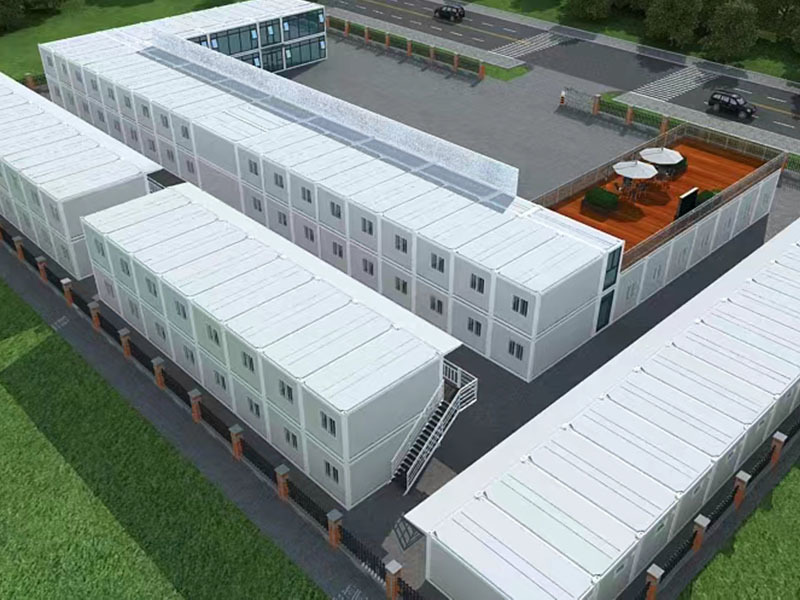
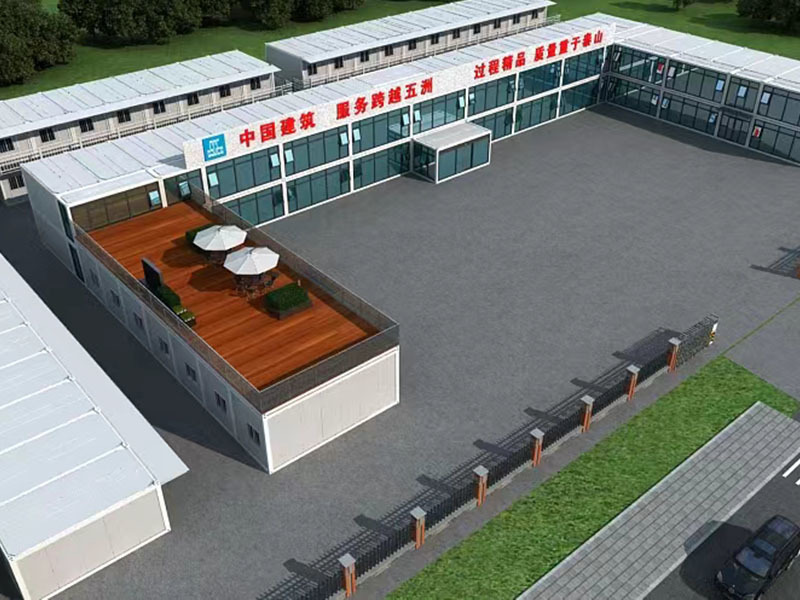
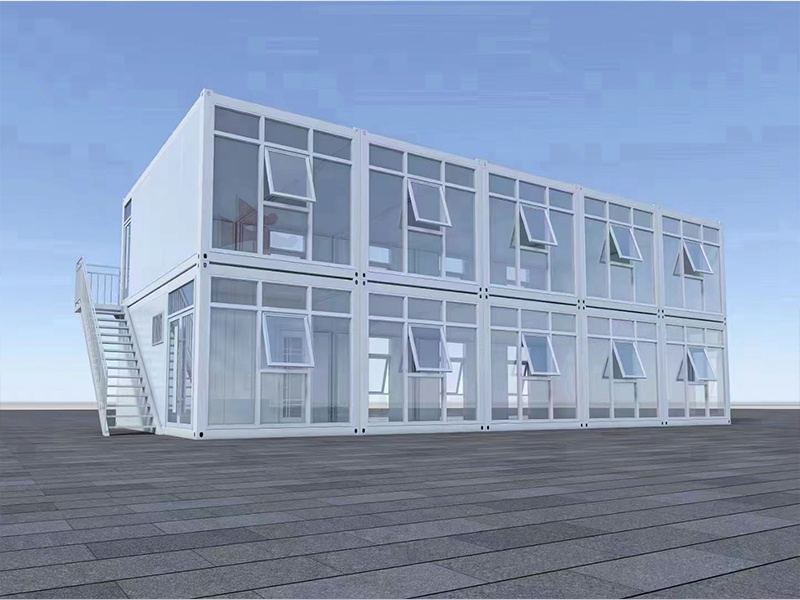
One of the most significant advantages of container homes is their **modular nature**. Containers can be stacked, arranged, and combined in various configurations, allowing for a highly customizable living space. Homeowners can choose to connect multiple containers to create larger living areas, incorporating open-plan designs that promote a sense of space.
2. Natural Light and Ventilation
Integrating large windows, skylights, and ventilation systems is vital in container home design. Natural light enhances the living environment, making spaces feel more inviting and spacious. Thoughtful placement of openings also facilitates cross ventilation, ensuring that homes remain cool and comfortable even in warmer climates.
3. Sustainable Materials
While **shipping containers** form the core structure, incorporating sustainable materials for insulation, flooring, and finishes is essential. Options such as reclaimed wood, bamboo, and recycled metal can contribute to the eco-friendliness of the home while adding character and warmth to the interior spaces.
4. Efficient Space Utilization
In container homes, every square foot counts. Designing multifunctional spaces is crucial, with built-in furniture, vertical storage solutions, and smart layouts that maximize usability. For example, incorporating foldable tables, Murphy beds, and built-in shelves can help optimize limited space without sacrificing comfort.
5. Outdoor Living Spaces
To enhance the living experience, many container home designs incorporate outdoor areas, such as decks, patios, or rooftop gardens. These spaces not only extend the usable area but also encourage a connection with nature, promoting relaxation and outdoor activities.
The Benefits of Living in a Container Home
Container homes offer numerous advantages, making them an appealing choice for many homeowners. Here are some key benefits to consider:
1. Affordability
One of the most significant draws of container homes is their cost-effectiveness. Building with shipping containers can significantly reduce construction costs compared to traditional homes. The availability of used containers on the market further enhances affordability, enabling homeowners to invest in their dream home without breaking the bank.
2. Sustainability
Container homes are inherently eco-friendly due to their use of repurposed materials. By recycling shipping containers, we reduce the demand for new building materials and decrease waste. Additionally, many container homes incorporate **energy-efficient technologies**, such as solar panels and rainwater harvesting systems, further enhancing their sustainability.
3. Durability
Shipping containers are constructed to withstand harsh environmental conditions, making them remarkably durable. They are resistant to rot, pests, and extreme weather, ensuring a long lifespan for the home. Proper insulation and finishing can enhance comfort, creating a safe and secure living environment.
4. Flexibility and Mobility
Container homes are not only stylish but also offer incredible flexibility. They can be relocated if necessary, allowing homeowners to adapt to changing life circumstances. This mobility is especially appealing for those who value spontaneity and adventure.
5. Unique Aesthetic Appeal
Container homes present a modern and distinctive design aesthetic that stands out in the housing market. The industrial look can be tailored with various finishes, colors, and architectural styles, making it possible for homeowners to express their individuality while enjoying a one-of-a-kind living space.
Challenges of Container Home Construction
While container homes present numerous advantages, they also come with challenges that potential homeowners should consider:
1. Zoning Regulations
Before embarking on a container home project, it is crucial to understand local zoning regulations and building codes. Some areas may have restrictions on the use of shipping containers for residential purposes, while others might require specific permits. Researching these regulations beforehand can help avoid complications during construction.
2. Insulation and Temperature Control
Container homes can become extremely hot or cold, depending on the climate. Proper insulation is essential for maintaining a comfortable indoor environment. Homeowners should invest in high-quality insulation materials and consider using passive solar design principles to optimize temperature regulation.
3. Financing and Insurance
Securing financing for container homes can be more challenging than traditional homes, as many lenders may be unfamiliar with this type of construction. It's essential to research financing options and potentially seek lenders who have experience with alternative housing solutions. Additionally, obtaining insurance for container homes may require special considerations based on their unique structure.
4. Construction Expertise
Building a container home requires specialized knowledge and skills. It is advisable to work with architects and contractors experienced in container construction to ensure that the design is safe, functional, and compliant with local regulations.
5. Limited Space
While container homes can be modular and spacious, they still have inherent limitations due to their size. Homeowners must be mindful of space utilization, striving for efficient layouts that cater to their lifestyle without feeling cramped.
Sustainability and Environmental Impact
The rise of container homes aligns with the growing awareness of environmental issues and the need for sustainable housing solutions. By repurposing materials, container architecture significantly reduces waste and lowers the environmental footprint associated with traditional construction methods.
Moreover, many container homes incorporate green building practices, such as using recycled materials, energy-efficient appliances, and renewable energy sources. This commitment to sustainability not only benefits the environment but also fosters a sense of community among like-minded individuals who prioritize eco-friendly living.
Furthermore, container homes can contribute to sustainable urban development by providing affordable housing solutions in densely populated areas. As cities continue to face housing shortages, container homes offer a practical and innovative answer to the growing demand for affordable living spaces.
Cost Analysis of Container Homes
When considering a container home, it is essential to evaluate the overall costs involved in the project. Here is a breakdown of typical expenses associated with container home construction:
1. Purchase of Containers
The cost of shipping containers varies based on their condition and size. A used container can range from **$1,500 to $5,000**, while new containers may cost upwards of **$6,000 to $10,000**. Prices may fluctuate based on market demand and location.
2. Site Preparation
Preparing the site for a container home involves clearing land, leveling the ground, and creating a foundation, which can cost anywhere from **$2,000 to $10,000**, depending on the complexity of the site.
3. Design and Construction Costs
Engaging architects and contractors specializing in container homes can add to construction costs. Design services may range from **$1,000 to $5,000**, while construction costs typically fall between **$100 to $200 per square foot**.
4. Utilities and Infrastructure
Installing essential utilities such as water, electricity, and sewage systems is crucial for any home. The costs for these installations can range from **$5,000 to $20,000**, depending on local regulations and existing infrastructure.
5. Interior Finishes and Furnishings
The final touches, including interior finishes and furniture, can greatly vary in price. Homeowners should budget around **$10,000 to $30,000** for a comfortable and aesthetically pleasing living environment.
In total, the cost of building a container home can range from **$30,000 to $150,000** or more, depending on size, design, and location. While this may be more affordable than traditional homes, it is imperative to conduct thorough research and budgeting before embarking on the project.
The Future of Container Home Architecture
The future of container home architecture appears bright as more individuals and families seek sustainable and innovative housing solutions. As urban populations continue to grow, container homes offer a practical alternative to conventional construction methods, addressing the dual challenges of affordability and sustainability.
Emerging technologies, such as **3D printing** and **modular construction**, may further enhance the design capabilities of container homes, enabling even greater customization and efficiency. Additionally, as awareness of environmental issues increases, the demand for eco-friendly housing options will likely continue to rise.
Container homes can play a pivotal role in promoting sustainable living practices and inspiring future generations to explore alternative housing solutions. As architects and builders continue to push the boundaries of container design, homeowners can look forward to an exciting future filled with creativity, innovation, and community-oriented living.
FAQs about Container Homes
1. Are container homes safe during extreme weather?
Yes, container homes are designed to withstand harsh weather conditions, including strong winds and heavy rains. However, proper insulation and construction practices are essential to ensure safety and comfort.
2. Can container homes be modified?
Absolutely! Container homes are highly customizable. Homeowners can modify their designs to include additional containers, larger windows, or different layouts to suit their preferences.
3. Do I need a building permit for a container home?
Yes, most areas require building permits for container homes. It is crucial to check local zoning regulations and obtain the necessary permits before beginning construction.
4. What is the lifespan of a container home?
When properly maintained, a container home can last for 25 years or more. Regular inspections and maintenance are essential to prevent rust and ensure structural integrity.
5. Are container homes energy-efficient?
Container homes can be designed to be energy-efficient by incorporating eco-friendly technologies such as solar panels, energy-efficient appliances, and proper insulation. This not only reduces energy costs but also contributes to a more sustainable lifestyle.
Conclusion
Modern container home architecture represents a compelling intersection of creativity, sustainability, and affordability. As we continue to explore innovative housing solutions, container homes stand out as a practical option for those seeking unique, eco-friendly living spaces.
With their modular design, versatility, and environmental benefits, container homes are shaping the future of architecture and addressing the urgent need for sustainable housing solutions. As we embrace this trend, we can look forward to a world where homes are not only functional but also reflect the values of sustainability and community. Embracing container home architecture allows us to redefine what home means in the modern world, making it a beautiful and sustainable choice for generations to come.
Key words:
What Else Might You Learn?



Can't find the service you're looking for? Contact us!
To inquire about our products, please leave your email to us and we will contact you within 24 hours.
Add
Wen 'an County, Langfang City, Hebei Province, China