Welcome to Hebei Luban Metal Structure Co., LTD.



Transforming Living Spaces: The Rise of Container Houses
Release Time:
Nov 09,2024
In recent years, container houses have emerged as a dynamic and sustainable alternative to traditional housing. These innovative structures utilize repurposed shipping containers, offering a multitude of benefits that cater to the evolving needs of contemporary society. One of the most appealing aspects of container houses is their environmental sustainability. By repurposing old shipping contain
One of the most appealing aspects of container houses is their environmental sustainability. By repurposing old shipping containers, this building method reduces waste and minimizes the need for new materials. This practice not only contributes to the conservation of resources but also helps in reducing the carbon footprint associated with traditional construction methods. As the world increasingly prioritizes eco-friendly solutions, container houses have become a preferred choice for environmentally-conscious individuals.
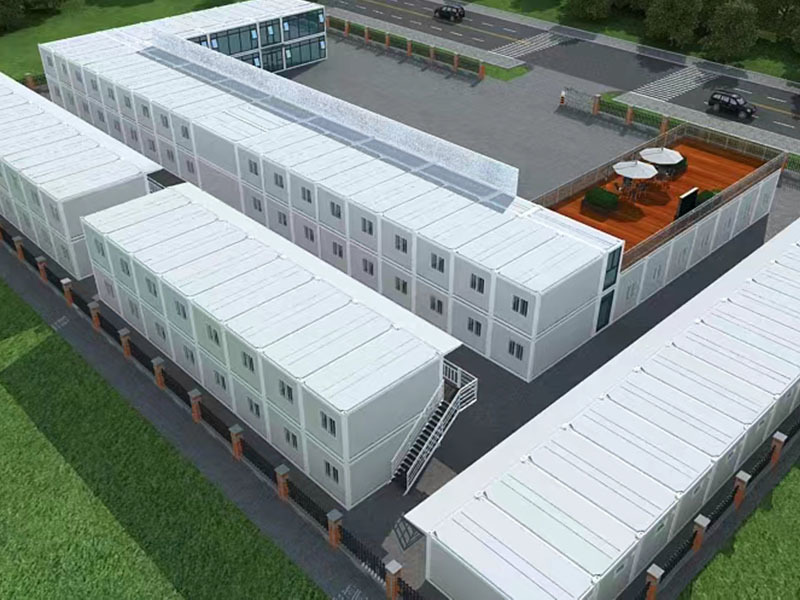
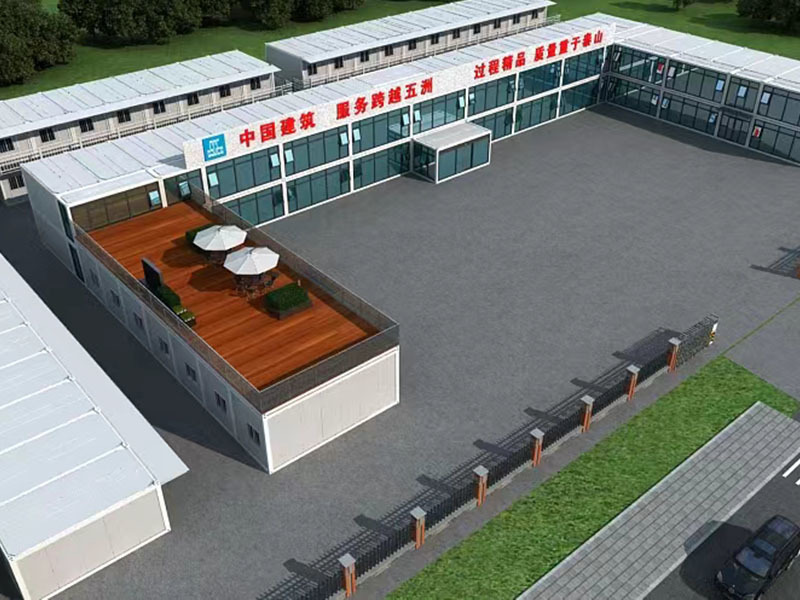
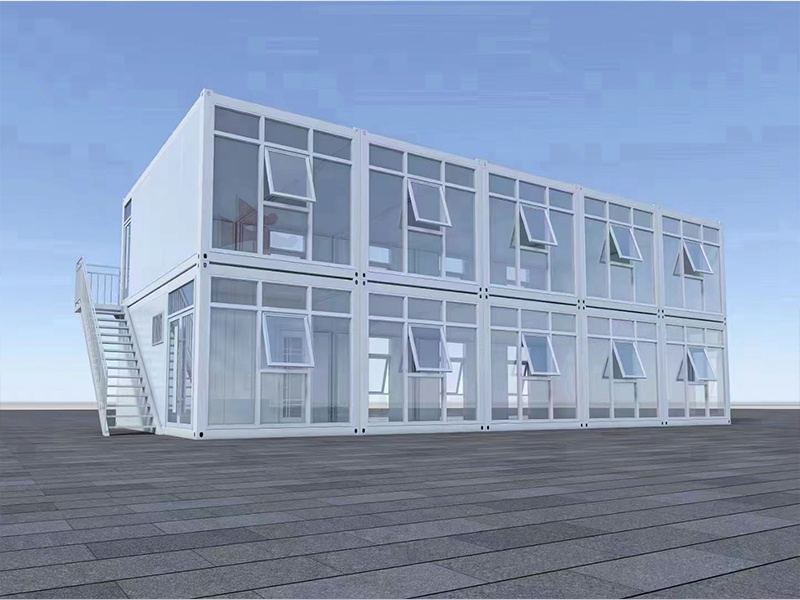
Moreover, container houses are highly versatile. They can be designed to fit various styles and preferences, ranging from sleek modern aesthetics to cozy rustic vibes. With the ability to stack containers or connect them in creative ways, homeowners have the freedom to customize their living spaces according to their unique needs. This flexibility also allows for the creation of multi-functional spaces, making container houses suitable for everything from family homes to small offices or studios.
Another significant advantage of container houses is their speed of construction. Traditional homes can take months or even years to complete, while a container house can often be assembled in a matter of weeks. This rapid construction process is particularly beneficial in areas facing housing shortages or for individuals seeking quick, temporary solutions. Additionally, the structural integrity of shipping containers ensures that these houses can withstand various environmental conditions, making them suitable for diverse climates.
Furthermore, container houses are frequently more affordable than traditional homes. While the initial cost may vary based on design and customization, the overall investment tends to be lower, especially considering the reduced labor costs and timeframes. This affordability opens up opportunities for first-time homeowners, students, or those looking to downsize without compromising on quality.
It's important to note that while container houses offer many benefits, there are also considerations to keep in mind. Proper insulation and ventilation are crucial to ensure a comfortable living environment. Additionally, local zoning laws and building codes should be reviewed to ensure compliance when planning a container house project.
In conclusion, container houses represent a significant shift in the way we approach housing and architecture. Their eco-friendly nature, design flexibility, quick construction time, and affordability make them an attractive option for many. As the demand for innovative, sustainable living solutions continues to rise, container houses are poised to play a vital role in shaping the future of residential and commercial spaces.
Key words:
What Else Might You Learn?



Can't find the service you're looking for? Contact us!
To inquire about our products, please leave your email to us and we will contact you within 24 hours.
Add
Wen 'an County, Langfang City, Hebei Province, China