Welcome to Hebei Luban Metal Structure Co., LTD.



Exploring the Benefits and Practicalities of Container Houses
Release Time:
Nov 13,2024
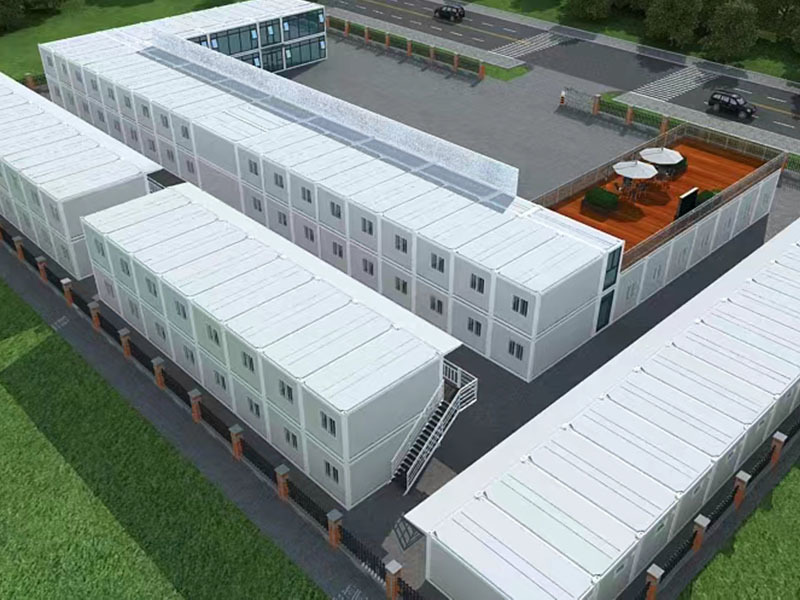
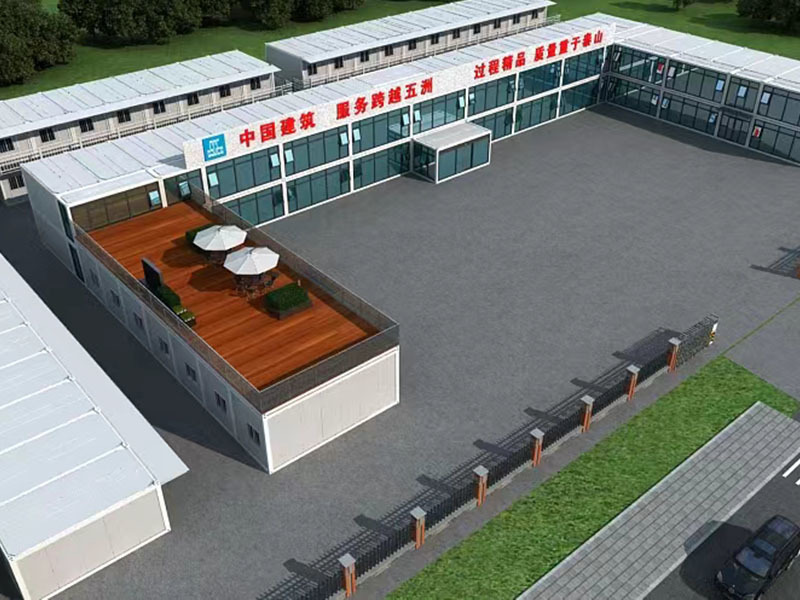
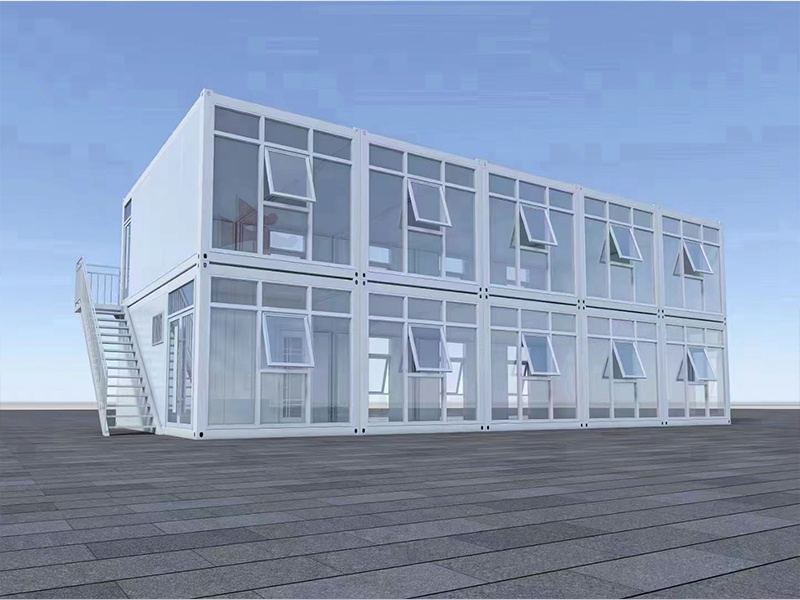
Container houses, constructed from repurposed shipping containers, offer a unique solution to modern housing needs. These structures are not only cost-effective but also environmentally friendly, making them an appealing choice for sustainable living. One of the primary advantages of container houses is their versatility. They can be designed for various purposes, including homes, offices, and eve
Another crucial aspect of container houses is their rapid construction timeline. Unlike traditional buildings that can take months or years to complete, container homes can often be assembled in a matter of weeks. This speed not only reduces labor costs but also allows for quicker occupancy, appealing to clients who require immediate housing solutions. Moreover, container houses can be expanded or modified with relative ease, providing long-term flexibility for growing families or changing needs.
In terms of sustainability, container houses are an excellent choice for eco-conscious individuals. By utilizing shipping containers that would otherwise be discarded, builders contribute to waste reduction and promote recycling. Additionally, container homes can be equipped with green technologies, such as solar panels and rainwater harvesting systems, further enhancing their environmental benefits. This alignment with sustainable practices is becoming increasingly important in the construction industry, making container houses a forward-thinking option.
When considering a container house, it's essential to factor in zoning regulations and building codes, as these can vary significantly by location. Understanding local requirements will help ensure that the construction process goes smoothly and meets all legal standards. Engaging with professionals who have experience in container home construction can provide invaluable insights and assistance in navigating these regulations.
Another consideration is insulation and climate control. While shipping containers are durable, they are also prone to temperature fluctuations. Proper insulation is crucial for creating a comfortable living environment. This may involve additional materials or techniques that are specifically designed for container homes, ensuring that the space remains energy-efficient and comfortable year-round.
In conclusion, container houses present a viable and innovative solution for modern housing challenges, offering versatility, sustainability, rapid construction, and potential cost savings. As the industry continues to evolve, it's essential for professionals to stay informed about the practicalities and benefits of these unique structures. Whether you are a builder, architect, or potential homeowner, understanding the advantages of container houses can help make informed decisions for future projects.
Key words:
What Else Might You Learn?



Can't find the service you're looking for? Contact us!
To inquire about our products, please leave your email to us and we will contact you within 24 hours.
Add
Wen 'an County, Langfang City, Hebei Province, China