Welcome to Hebei Luban Metal Structure Co., LTD.



Exploring the Advantages of Modular Building: A Smart Choice for the Modern Construction Industry
Release Time:
Nov 17,2024
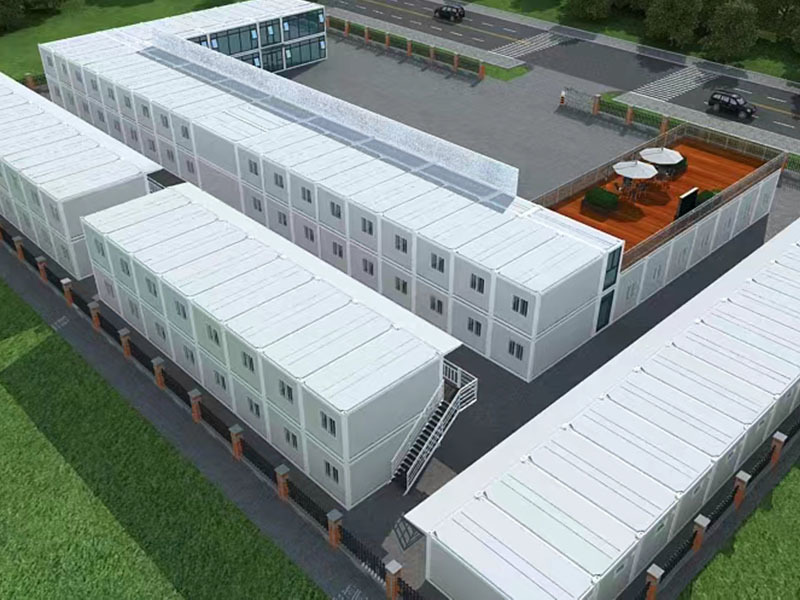
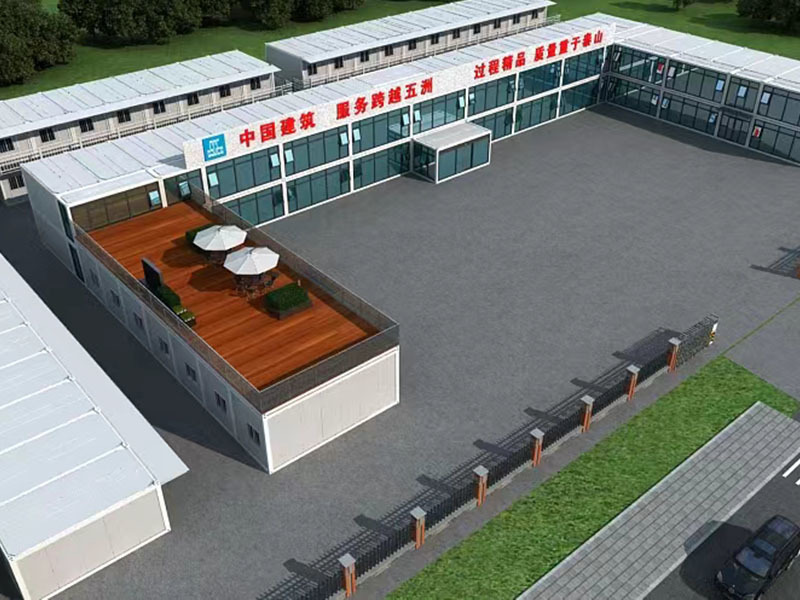
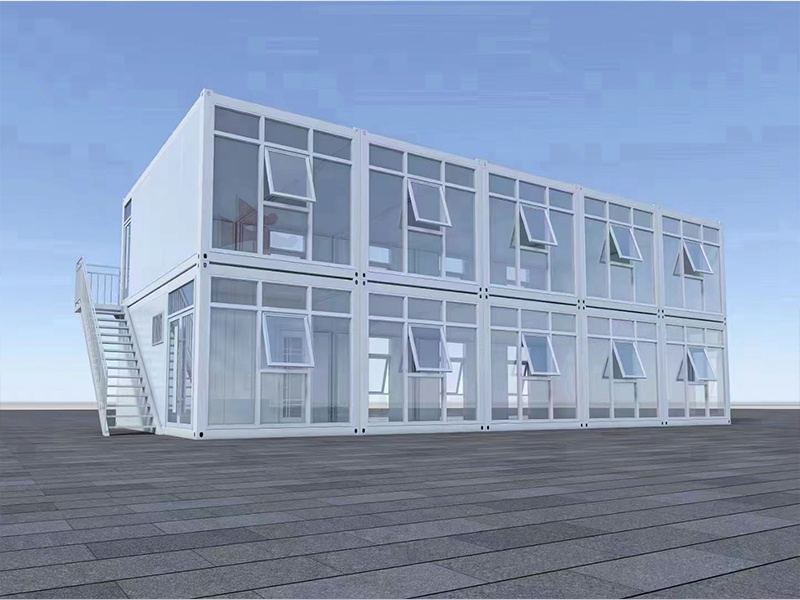
In recent years, the concept of modular building has gained significant traction in the construction industry, especially within the realm of building and decorative materials. Modular building refers to a construction process where structures are prefabricated in sections, or modules, in a factory setting before being transported to the site for assembly. This innovative approach offers numerous
One of the most notable benefits of modular building is its efficiency. By constructing modules in a controlled environment, builders can significantly reduce the time spent on site. This approach allows for simultaneous site preparation and module construction, resulting in faster completion times. For industry professionals, this means reduced labor costs and quicker project turnaround, making it an attractive option for clients who require speedy solutions.
Sustainability is another key advantage associated with modular building. Prefabrication in a factory minimizes waste, as materials can be reused more effectively and controlled environments allow for better management of resources. This emphasis on reducing waste aligns well with the growing trend of sustainable construction practices. As eco-conscious clients increasingly seek green solutions, modular building presents a compelling option that aligns with these values.
Versatility is also a hallmark of modular building. The modular approach allows for a wide range of designs and configurations, from residential homes to commercial spaces. As a result, architects and designers can easily customize projects to meet specific client preferences and site conditions. Furthermore, modular buildings can be easily expanded or modified, providing a long-term solution that adapts to changing needs.
Moreover, the quality of modular buildings often surpasses that of traditional construction methods. Since modules are built in a controlled factory environment, they are less susceptible to weather-related delays and damage, ensuring a higher level of construction quality. This characteristic appeals to clients who prioritize durability and reliability in their building projects.
In conclusion, modular building represents a forward-thinking approach that is reshaping the construction industry. With its efficiency, sustainability, versatility, and quality, it is a valuable consideration for professionals in the building and decorative materials sector. As clients increasingly demand innovative solutions, embracing modular construction can provide a competitive edge and foster long-term relationships rooted in quality and responsiveness.
Key words:
What Else Might You Learn?



Can't find the service you're looking for? Contact us!
To inquire about our products, please leave your email to us and we will contact you within 24 hours.
Add
Wen 'an County, Langfang City, Hebei Province, China